
Old Tom Morris Trail Scotland
Old Tom Morris Trail Scotland connects 18 historic golf courses associated with one of the most important figures in the history of the game. For golfers planning a Scotland golf trip, the trail offers a meaningful way to explore classic links golf, course architecture, golfing heritage and some of the country’s most memorable regions.
From Royal Dornoch, Nairn, Moray and Cullen in the north to St Andrews, North Berwick, Prestwick and Machrihanish, the trail can be approached as one complete journey or broken into shorter regional golf trips.
Courses on the Old Tom Morris Trail in Scotland
The trail brings together courses that show the range of Old Tom Morris’s influence, from world-famous championship venues to lesser-known links that still carry his design ideas and connection to the landscape.
The courses on the trail are:
- Askernish
- Royal Dornoch
- Tain
- Nairn
- Moray Old
- Cullen
- Cruden Bay
- Montrose
- Carnoustie
- St Andrews Old
- St Andrews New
- Crail
- Luffness New
- Muirfield
- North Berwick
- Dunbar
- Prestwick
- Machrihanish
Together, these courses reflect not only the breadth of Old Tom Morris’s work, but also the variety of golf available across Scotland for those who want to follow the trail in a meaningful way.
How to plan an Old Tom Morris Trail golf trip
One of the best ways to approach the trail is by region rather than trying to see it as one single itinerary.
In the north, courses such as Royal Dornoch, Tain, Nairn, Moray and Cullen Links create a strong Highlands and Moray route. In the east, Cruden Bay, Montrose and Carnoustie add another distinctive stretch of golf. Around Fife and East Lothian, the trail connects some of the most historically significant golfing ground in Scotland, while the west coast adds another layer again through places such as Prestwick and Machrihanish.
That regional approach makes the trail easier to understand and much more practical for golfers planning a Scotland trip. It also helps show why the trail continues to work so well for both first-time visitors and golfers returning to Scotland to explore more deeply.
Why the trail still matters to golfers today
The Old Tom Morris Trail is not only important because of history. It matters because the courses themselves remain central to how golfers experience Scotland now.
Playing these courses gives golfers a direct connection to the foundations of the game, but it also provides an itinerary built around courses that still feel alive, relevant and memorable. Some are global names. Others are quieter and less discussed. Together, they create a much richer golfing journey than simply following a list of headline venues.
That is part of what makes the trail so appealing. It allows golfers to move through Scotland in a way that feels connected — not just geographically, but through the design ideas, traditions and landscapes that shaped the game.
Beyond the official trail
The influence of Old Tom Morris is not limited only to the official list of trail courses.
His work and legacy continue to appear in many of the places that help define Scottish golf more broadly, whether through direct design work, later revisions or the lasting effect he had on how links courses were shaped and understood. For golfers travelling through Scotland, that means the trail can also act as a wider lens through which to look at the country’s golf regions.
In practice, many golfers will combine official trail courses with other nearby rounds that help build out the trip more fully. That is often one of the most enjoyable ways to approach the journey.
Photographing the Old Tom Morris Trail
One of the reasons the trail is so memorable is that each course expresses Old Tom Morris’s influence in a slightly different way.
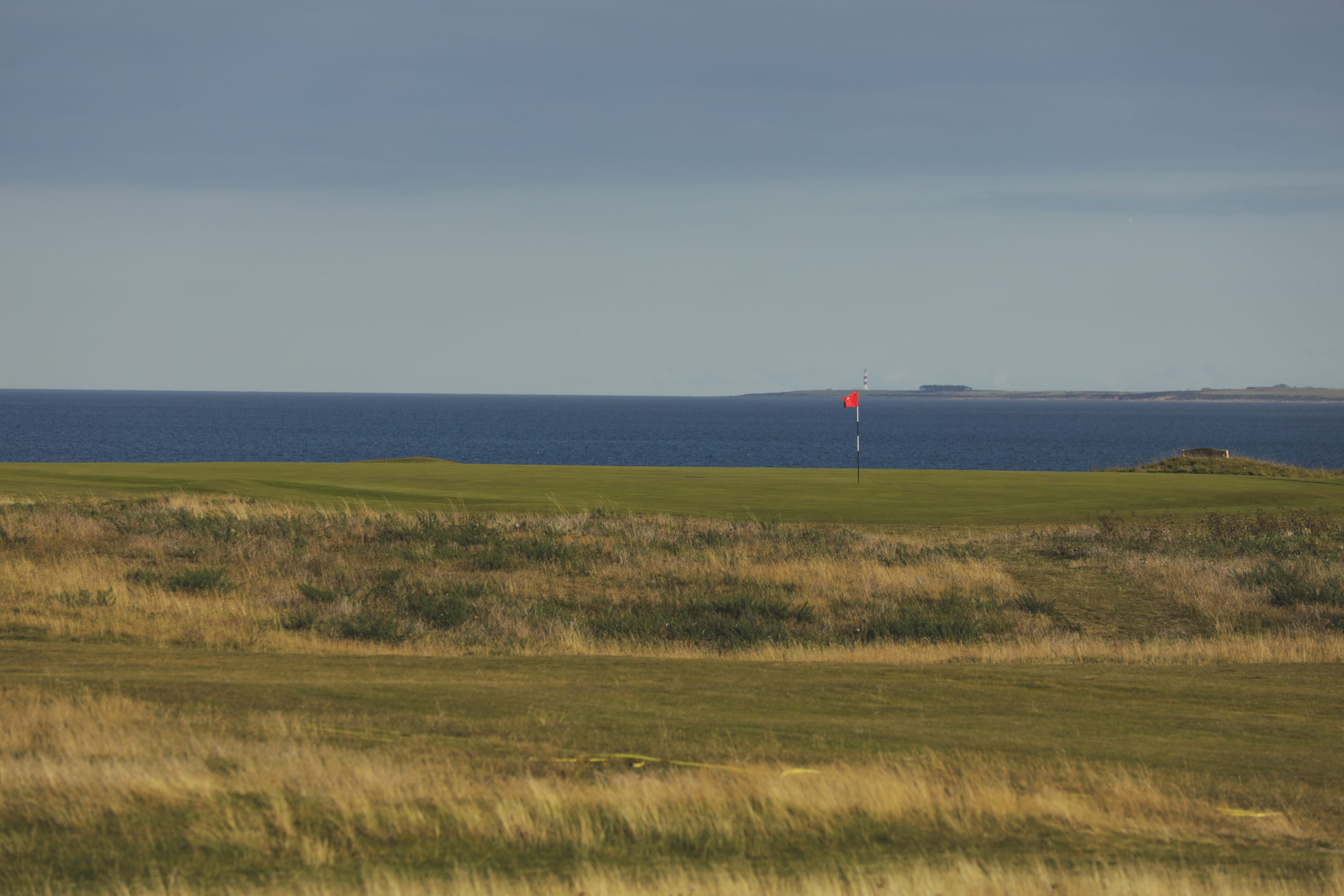
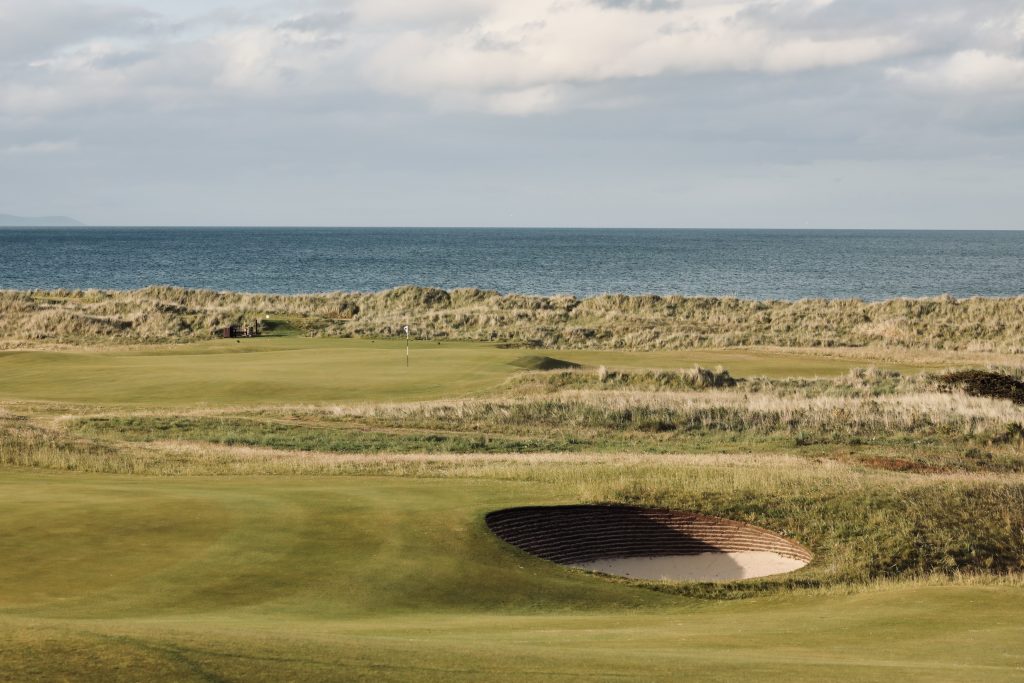
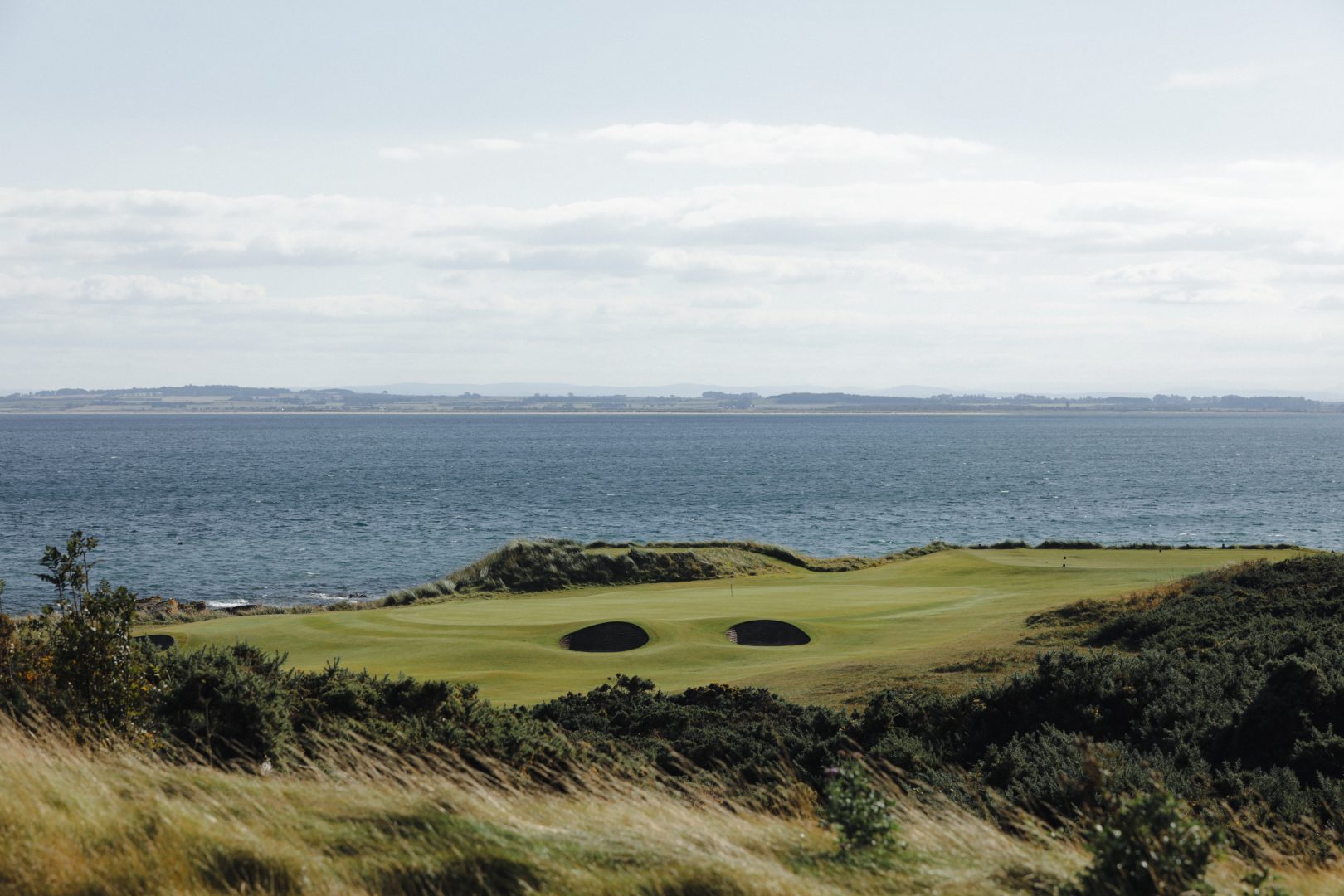
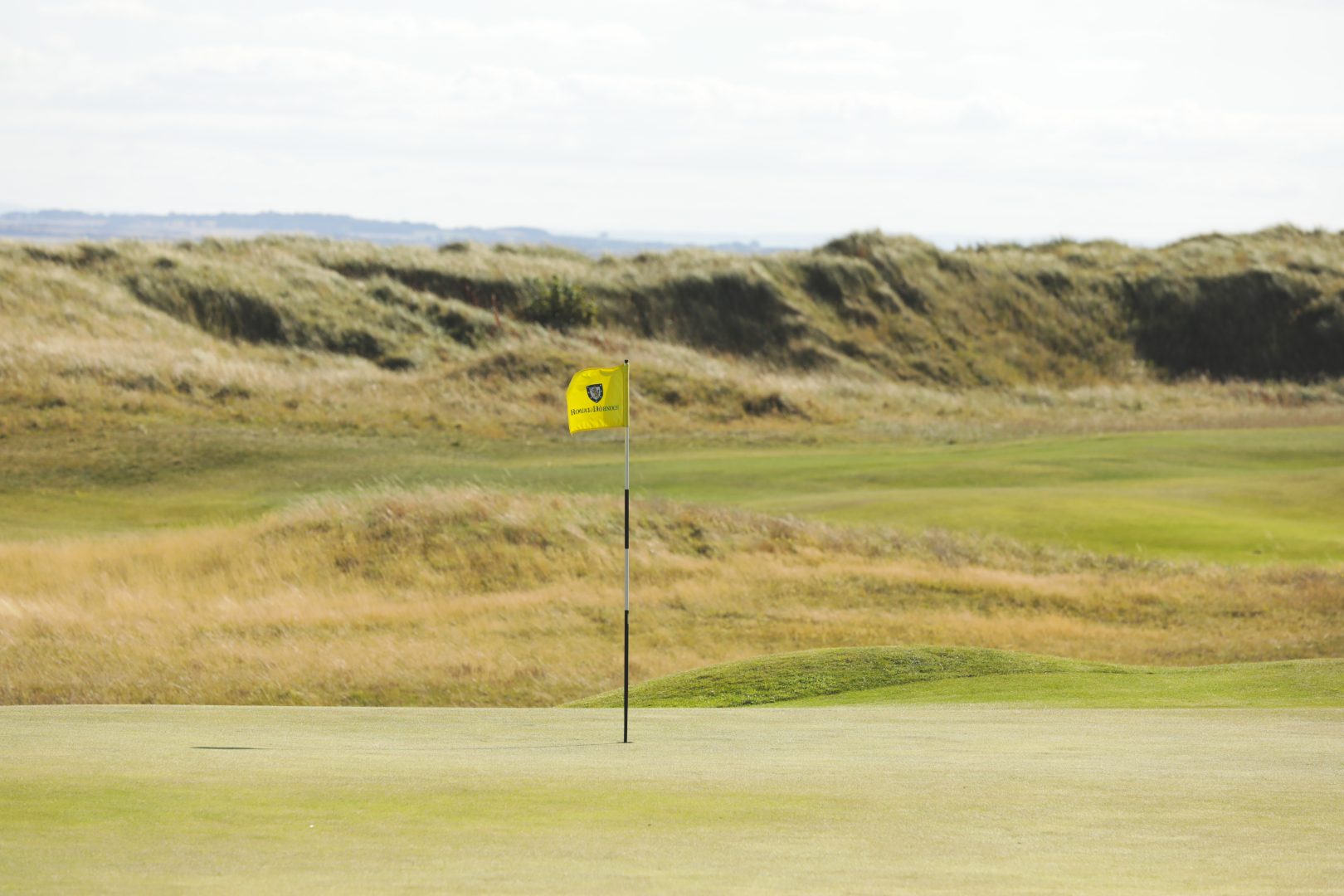
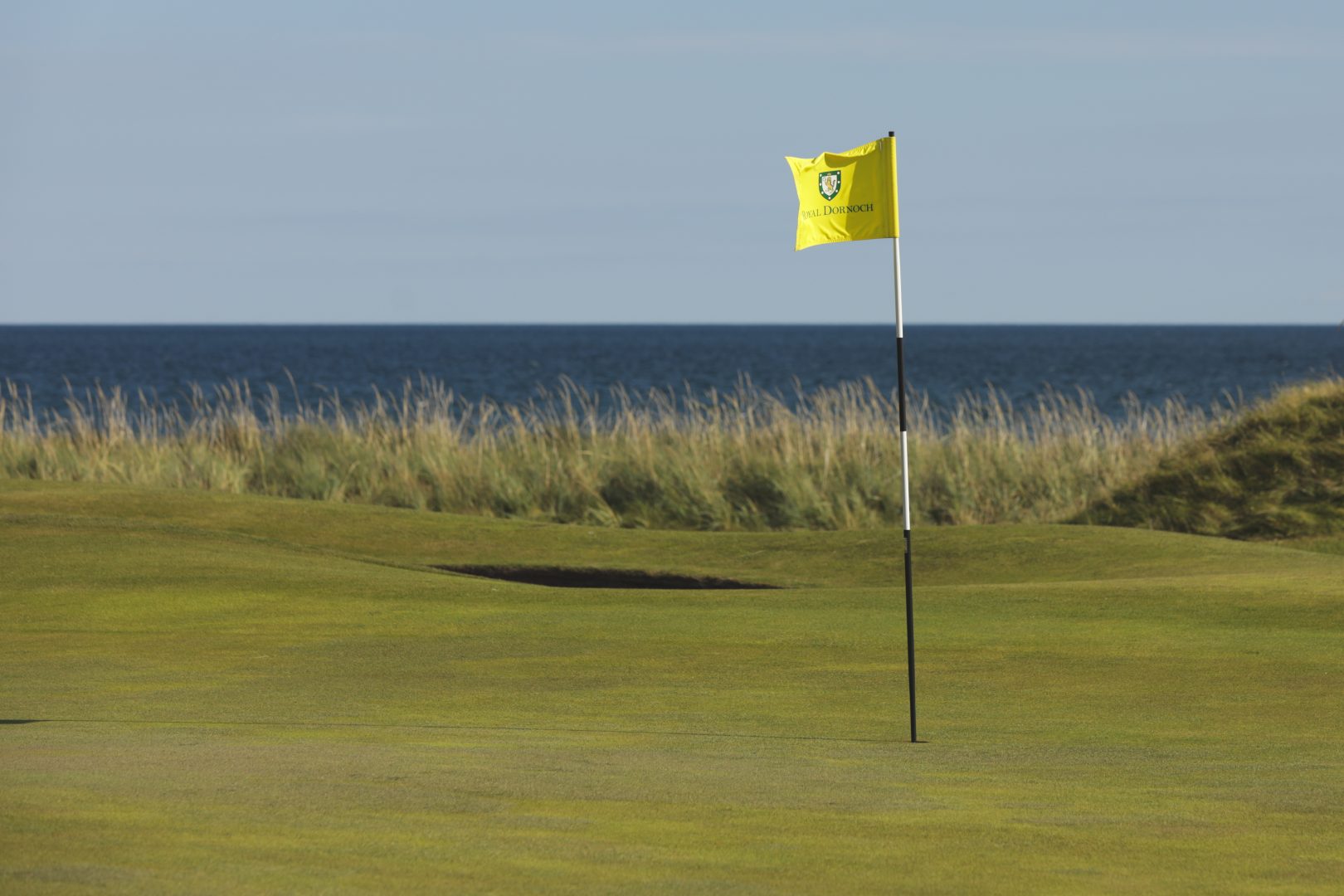
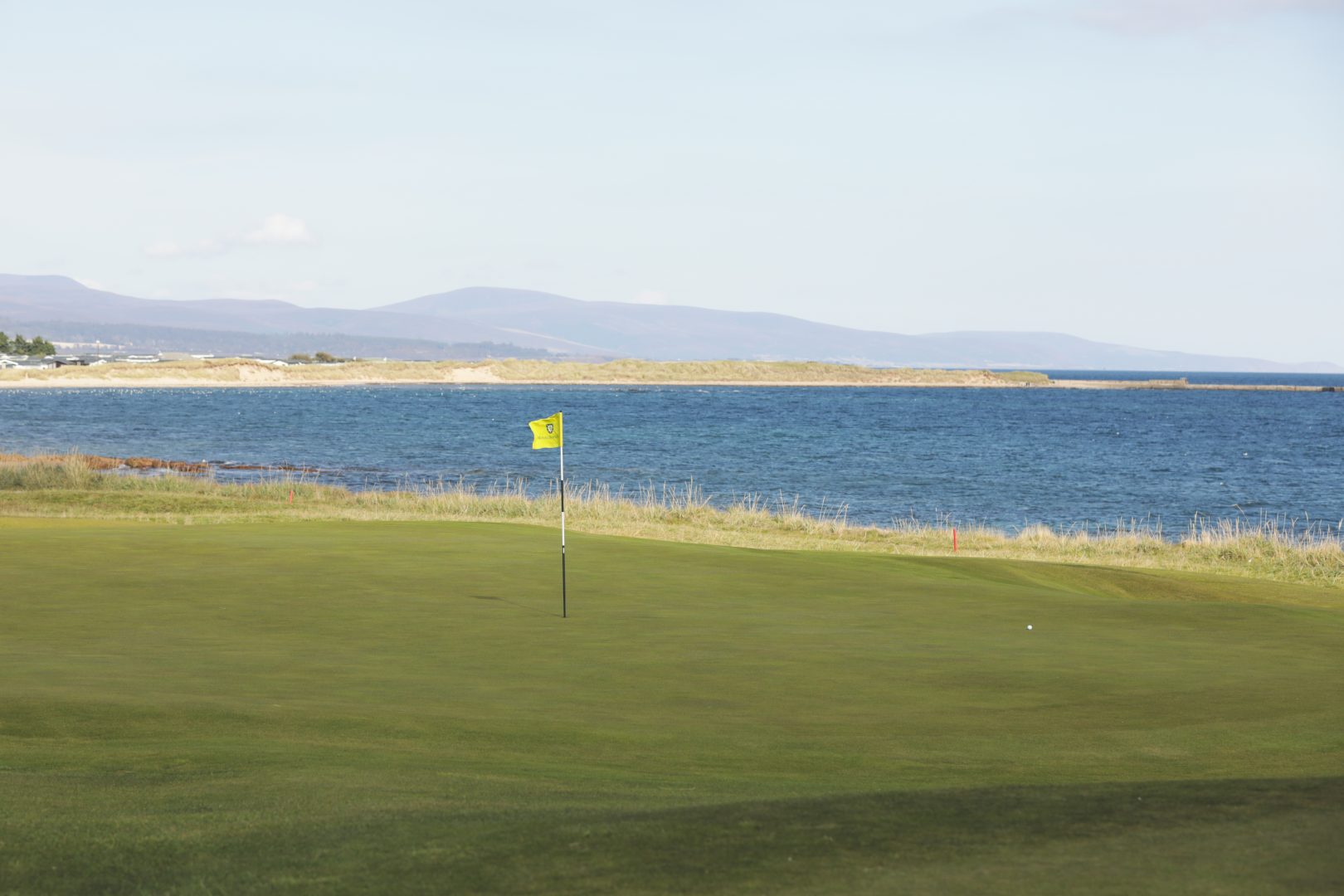
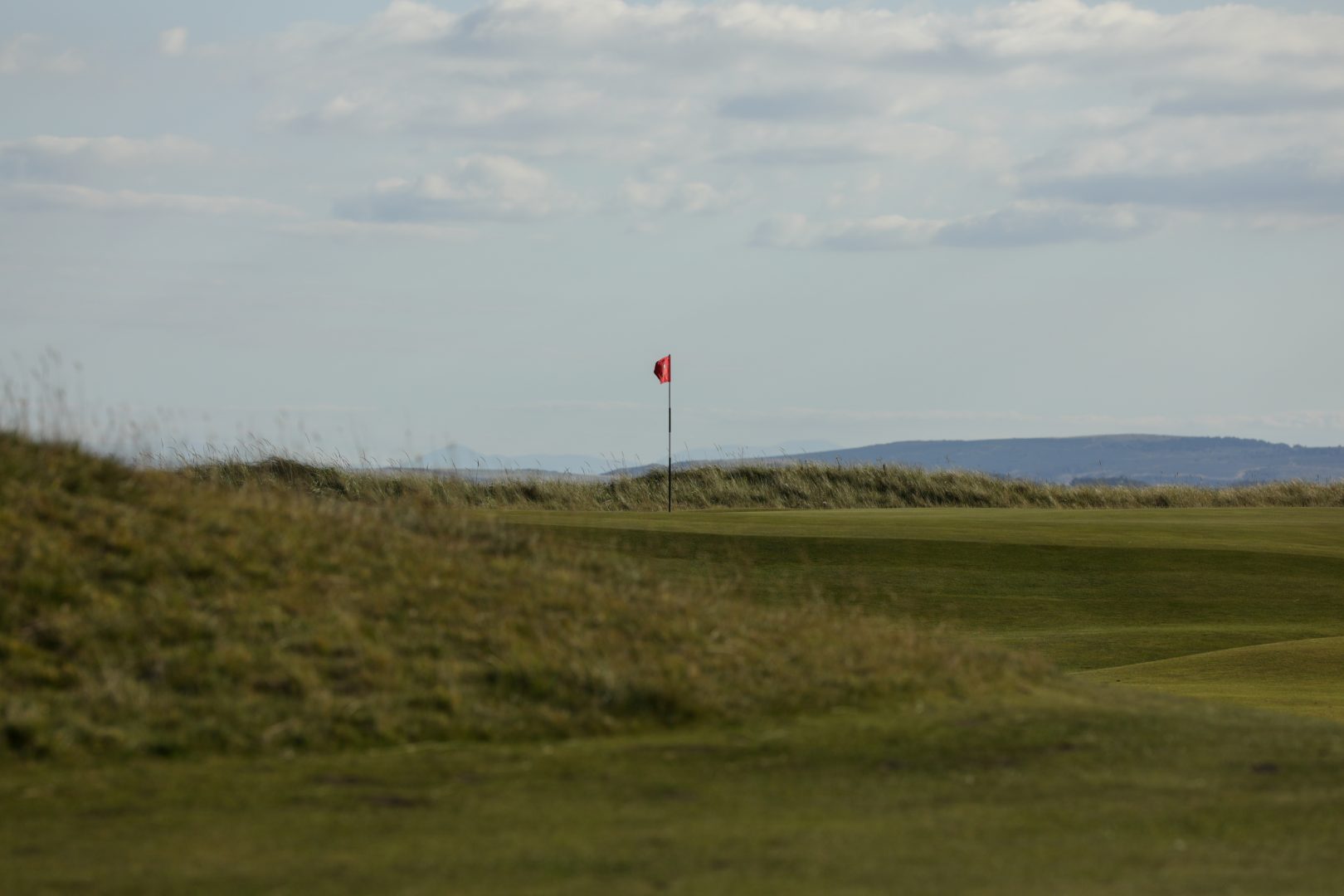
At Royal Dornoch, Nairn, Moray, Cullen Links and other trail courses, the character of the golf is closely tied to the surrounding landscape. For travelling golfers, that makes the trail especially rewarding not only to play, but also to document properly. A route like this is about more than individual rounds. It is about the wider journey through some of the places that shaped the game itself.
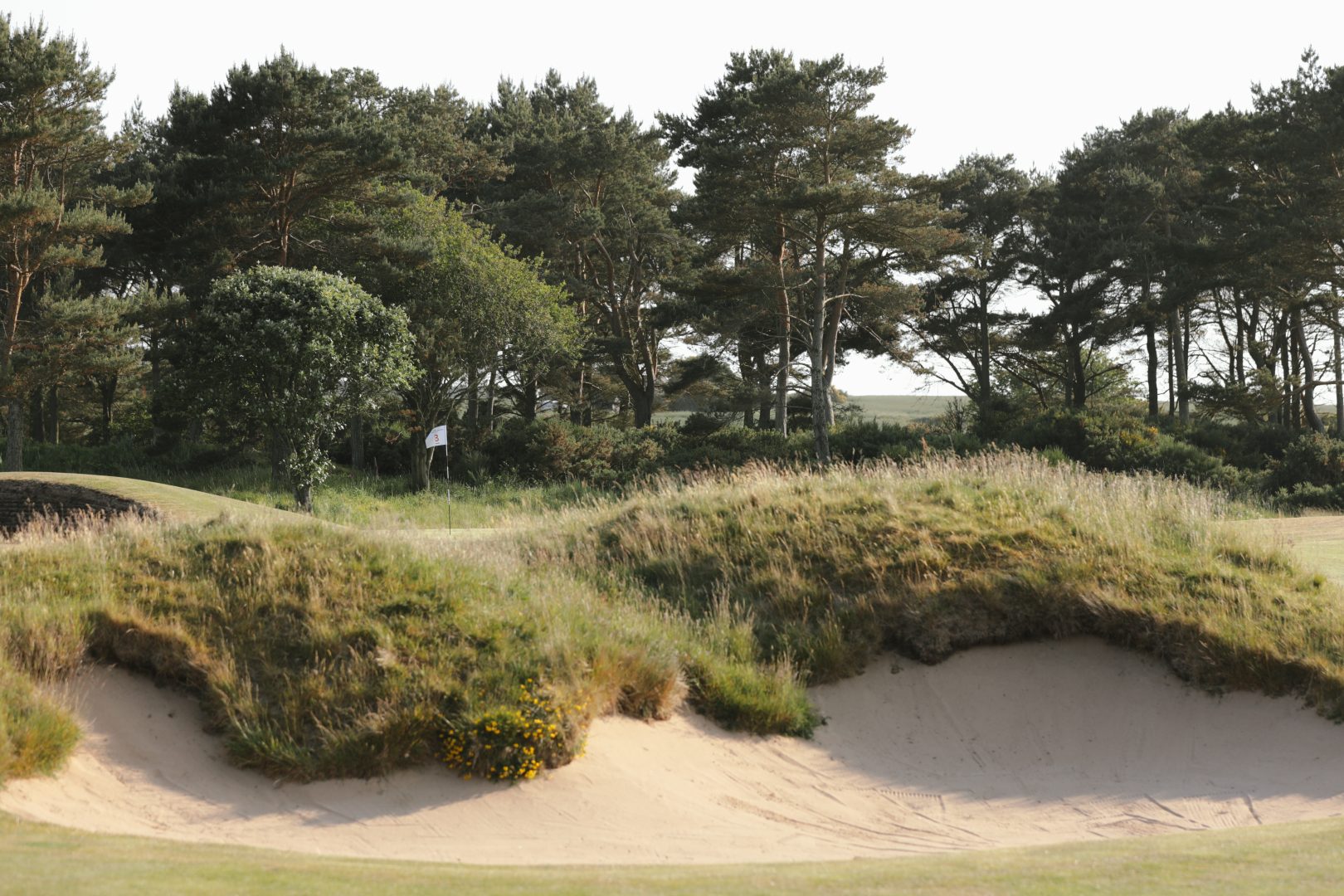
That is also why a trail like this works so well for golf trip photography. The photographs become more than a record of one round. They reflect the wider experience of travelling through Scotland and playing courses that still carry the influence of Old Tom Morris.
Regional inspiration across the trail
For golfers building a trip around the Old Tom Morris Trail, it often helps to think in terms of the regions the courses belong to.
A northern route might centre on Royal Dornoch, Nairn, Moray Golf Club and Cullen Links, creating a strong Highlands and Moray journey. An east coast route might lean more on St Andrews, East Lothian and the wider stretch of classic links there.
An Aberdeenshire-focused trip can also connect naturally into trail-related thinking through Cruden Bay and the surrounding north-east golf landscape. For more on how the course fits into a Scotland golf itinerary, read Golf Trip Photography at Cruden Bay as Part of an Aberdeenshire Golf Trip.
This is one of the reasons the trail remains so useful. It gives structure to a Scotland trip while still allowing golfers to shape the itinerary around the type of golf and region that interests them most.
Planning your own Old Tom Morris Trail trip
Whether the aim is to play one course or build a wider journey around several, the best approach is usually to focus on one part of Scotland at a time.
For further inspiration around courses and regions connected to the trail, explore:
- Royal Dornoch Golf Photography
- Nairn Golf Trip Photographer
- How to Plan a Golf Trip to Moray
- Golf Trip Photography at Cruden Bay as Part of an Aberdeenshire Golf Trip
- How to Choose the Right Region for a Scotland Golf Trip
- Golf Trip Photographer St Andrews
- Discover Machrihanish and the best opening hole in golf
That will usually give a much clearer sense of how the trail can fit into a practical Scotland itinerary.
Planning an Old Tom Morris Trail golf trip?
The Old Tom Morris Trail gives golfers a historic and meaningful way to explore Scotland, connecting courses across the Highlands, Moray, Aberdeenshire, Fife, East Lothian and the west coast.
Whether your trip includes Royal Dornoch, Nairn, Moray, Cullen Links, Cruden Bay, St Andrews or another course connected to the trail, professional photography can help document the experience properly.
AKH Golf provides natural on-course golf trip photography for visiting golfers, private groups and tour operator itineraries across Scotland.
To discuss photography for an Old Tom Morris Trail golf trip, visit the golf trip photography page or get in touch to discuss your itinerary.
Call: 07485258720 Whatsapp: 447485258720 Email: contact@akhgolf.com



PLANNING A GOLF TRIP OR PHOTOGRAPHY PROJECT?
Tell me where you’re playing or what you’re looking to create.